Inside a riverside flat move on Eel Pie Island: Job recap
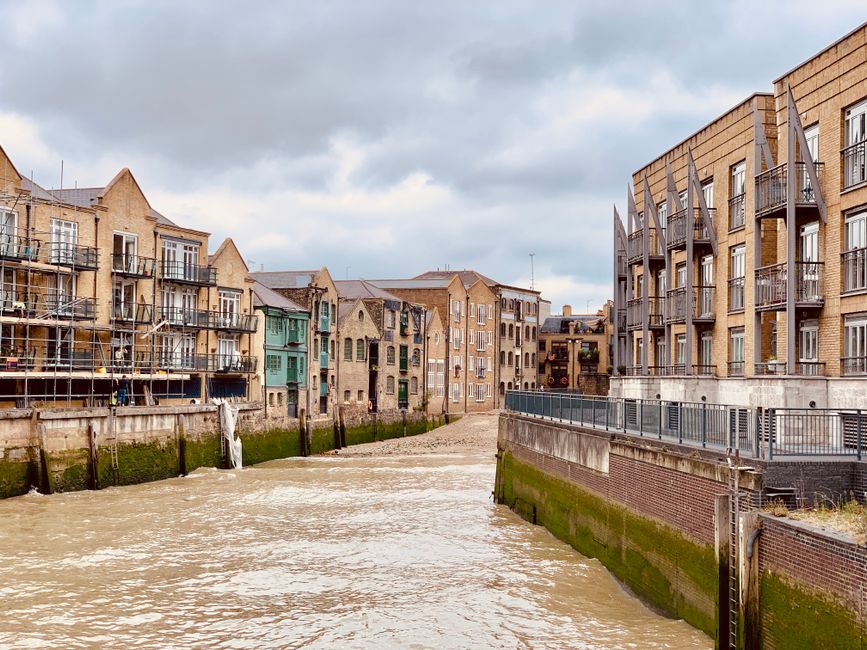
Moving out of a riverside flat sounds simple enough on paper. A few boxes, a van, done. But if you've ever dealt with narrow access, shared walkways, awkward parking, and a building that sits right by the water, you'll know the reality is a bit more involved. This Inside a riverside flat move on Eel Pie Island: Job recap breaks down what actually matters on the day, what tends to slow things down, and how a well-planned move turns a stressful job into a smooth one.
Whether you're preparing for a similar flat move, comparing removal services, or simply want a realistic idea of what a riverside relocation involves, this guide gives you the practical view. Not the glossy version. The useful one.
In our experience, these jobs are all about timing, access, protection, and clear communication. Get those right and the whole move feels manageable. Miss one and, well, you notice it quickly.
Why Inside a riverside flat move on Eel Pie Island: Job recap Matters
Riverside flats can look calm and elegant from the outside, but moving from one often comes with its own little collection of headaches. Eel Pie Island, in particular, brings together a very specific mix of access considerations, residential sensitivity, and environment-related caution. The job recap matters because it shows where the real effort goes: not just lifting and carrying, but planning the route, protecting the property, and making sure nobody is left guessing.
Why does that matter to you? Because a move is rarely just about transport. It's about keeping belongings safe, avoiding damage to shared areas, and staying on schedule when the site itself is less forgiving than a standard street-side house. If you're comparing house removals with a lighter-touch move such as man and van, the recap gives you a better feel for which approach fits the job.
There's also a trust angle here. A good recap shows whether the team anticipated the tough parts before they became problems. That's the difference between "everything went fine" and "we nearly had a fit over the sofa not turning the corner." Let's face it, most people only want the second story if it ends with a laugh.
Expert summary: Riverside flat moves succeed when access, protection, and timing are treated as part of the move itself, not as afterthoughts. On Eel Pie Island, that mindset makes all the difference.
How Inside a riverside flat move on Eel Pie Island: Job recap Works
A move like this usually starts before the van arrives. The team checks access points, working space, parking options, and the likely route from flat to vehicle. If the property sits close to water, there may be extra care needed around wet surfaces, narrow edges, or shared pathways that get slippery in poor weather. Nothing dramatic, just practical common sense, which tends to be underrated.
On the day, the move usually follows a simple sequence:
- Protect floors, corners, and doorframes before lifting anything heavy.
- Move the most awkward items first, especially if they need two people.
- Stack the van in a way that keeps fragile items secure and accessible.
- Keep the route clear so the move doesn't bottleneck in the hallway or entrance.
- Do a final walk-through to make sure nothing has been left behind.
For many customers, the biggest surprise is how much time can disappear in the "in-between" moments: waiting for lift access, checking that a trolley wheel can handle a threshold, or pausing while a neighbour comes through a shared landing. These details sound small. They aren't, really.
If the job includes packing support, a service such as packing and unpacking services can reduce pressure significantly. And if you're moving a full flat rather than a few key items, it may make sense to compare options from movers and removal company pages to match the scale of the move.
The job recap itself should answer a straightforward question: did the move run safely, efficiently, and without unnecessary stress? If yes, you've got a good benchmark for the next time. If not, you've also got a list of improvements. Useful either way.
Key Benefits and Practical Advantages
A well-run riverside flat move brings more than just boxes from one place to another. There are practical benefits that are easy to overlook when you're focused on the day itself.
- Less damage risk: Protective wrapping, careful lifting, and proper loading help avoid scuffed walls and scratched furniture.
- Better time control: A planned move usually keeps delays short, even if access is a little awkward.
- Lower stress: Clear sequencing removes the panic of wondering what happens next.
- Safer handling: Heavy or bulky items are easier to move with the right equipment and enough people.
- Cleaner handover: A tidy final sweep helps you leave the flat in better order.
There's another advantage that people often miss: clarity. Once you see how a move has been handled, it becomes much easier to judge future quotes and plans. You stop comparing vague promises and start comparing actual service quality. That's a big shift.
For those moving from a riverside apartment, service style matters too. Some jobs suit a smaller vehicle like a removal van or man with van, while others need a broader removals setup. The advantage is not choosing the biggest option. It's choosing the right one.
And yes, a good move can even feel strangely calm. Not exciting, exactly. Just properly handled. A small victory, but a real one.
Who This Is For and When It Makes Sense
This kind of move is for anyone leaving, relocating within, or supporting someone in a flat that has riverside access considerations. That includes tenants, owners, landlords arranging end-of-tenancy handovers, and family members helping with a transition. It can also suit people moving a modest amount of furniture rather than a whole houseful.
It makes sense when:
- the property has limited parking or difficult loading access;
- you have fragile, bulky, or awkwardly shaped items;
- you need the move completed quickly and neatly;
- you want help with lifting rather than hiring a large transport-only option;
- you prefer a team that is used to domestic moves rather than general transport.
If you're deciding between a light move and a full-service approach, think about the actual labour involved. A couple of boxes and a chair are one thing. A fridge, bed frame, wardrobe, and three flights of stairs are another. Honestly, the second job has a way of revealing the truth pretty fast.
For mixed household moves, you may also want to look at home moves or house movers if you need a more complete service. If the move includes inherited items, reusable furniture, or a few pieces destined for another address, furniture pick-up can be relevant too.
Step-by-Step Guidance
If you want the short version, the job works best when each stage is handled in order. No heroic improvisation. Just decent preparation and steady execution.
1. Assess access first
Before anything is lifted, check the easiest route from flat to vehicle. Think about doors, stairwells, lift use, shared corridors, and where the van can safely stop. A riverside setting may look spacious, but the usable space can be tighter than expected.
2. Separate the load
Group items by size and fragility. Heavy items should be prepared for two-person handling if needed. Fragile items should be wrapped and marked clearly. It saves time, and it prevents the classic "where did that lamp end up?" moment.
3. Protect the property
Floor coverings, corner guards, and sensible handling make a noticeable difference. In flats, the common areas matter just as much as the inside of the home. One careless scrape can create unnecessary awkwardness with neighbours or building management.
4. Load in a stable order
Load heavier items first, then stack lighter items around them. Keep fragile pieces secure and avoid leaving empty gaps that let boxes slide around. If a vehicle is only partly loaded, that can be fine; stability beats squeezing in one extra awkward item.
5. Do a proper final check
Look behind doors, in cupboards, under beds, and on balconies if they're part of the property. People forget things in weird places when the day gets moving. It happens all the time, even to very organised people. Especially to very organised people, if we're being fair.
Expert Tips for Better Results
These are the small things that tend to separate a decent move from a very smooth one.
- Book around building rhythms: If there are quieter times for access, use them. A calmer building makes the work easier.
- Measure awkward items: Sofas, bed bases, and wardrobes cause more trouble than boxes ever do.
- Keep essentials separate: Documents, chargers, medication, and a kettle set should travel with you, not in the back of the van.
- Use the right vehicle size: A smaller van can be faster if space is tight; a larger van may reduce trips if the load is substantial.
- Label by room and priority: It makes unloading much easier and avoids the "everything in the hallway" problem.
- Think about weather: Riverside locations can feel damp or breezy even on a mild day, so allow for slippery surfaces and careful footing.
Another useful trick: if you know the item is awkward, say so early. The team can plan better, and you avoid that last-minute shuffle where everyone suddenly becomes fascinated by a sofa that doesn't fit the obvious way. We've all seen that scene. Nobody loves it.
If you want a trusted overview of standards, the company's health and safety policy and insurance and safety information are the kind of pages worth checking before booking. They help you understand how risk is handled, not just how prices are described.
Common Mistakes to Avoid
Most moving problems are boringly preventable. That's the annoying bit. Here are the ones that crop up most often.
- Underestimating access: A flat that looks straightforward online can be much trickier on foot.
- Leaving packing too late: Rushed packing almost always leads to breakages, missing items, or both.
- Not measuring furniture: You only need one oversized wardrobe to turn a smooth morning into a long one.
- Failing to reserve parking space: If loading access is tight, the van's position matters more than people think.
- Mixing essentials with general cargo: The first night in the new place is easier if basics are easy to find.
- Ignoring building rules: Lift use, noise windows, or access restrictions can all change the schedule.
There's also the classic mistake of choosing a service purely on headline price. Cheap can be expensive once delays, extra handling, and stress start piling up. A better way is to compare scope, not just numbers. The pricing and quotes page is the right kind of place to start if you want to understand what affects the cost.
And one more, quietly common: people forget to tell the mover about stairs, restricted access, or time limits because they assume it's obvious. It isn't obvious. Not always.
Tools, Resources and Recommendations
Not every move needs specialist gear, but the right tools save time and reduce damage. For this kind of flat move, useful items typically include trolleys, blankets, straps, protective wrap, tape, and sturdy gloves. A simple toolkit for dismantling beds or furniture can also help if items need to come apart before loading.
Beyond physical tools, the most useful resources are often the service pages that help you decide what level of help you need. For example:
- man with a van for lighter, more flexible moves;
- man and van removals when you want a more structured approach;
- removals near me if you're looking for local availability and quicker response times;
- man with van removal where the move sits somewhere between transport and full service.
For people moving larger loads or needing more hands, a broader team from house removalists or removal companies may be more suitable. If you're shifting office items, then the whole rhythm changes, and office removals or office relocation services are better references.
For people who care about waste and reuse, recycling and sustainability is worth a look too. Moving is often a good time to decide what should be kept, donated, recycled, or passed on. A surprisingly honest sorting session, that one.
Law, Compliance, Standards and Best Practice
For a domestic move like this, the main compliance concern is safe handling rather than heavy regulation. That said, reputable movers should still work in line with standard UK expectations around insurance, health and safety, and responsible handling of property.
In plain English, that means:
- staff should lift and carry safely rather than improvising with risky techniques;
- the company should be clear about insurance cover and what it means in practice;
- items should be loaded securely to reduce movement in transit;
- the customer should be told about any limits, exclusions, or special conditions;
- if a property has access constraints, those should be discussed before move day.
You may also want to review practical documents such as terms and conditions, payment and security, and privacy policy. They're not the thrilling part of moving, granted, but they help set expectations properly.
For a riverside flat, best practice also includes simple environmental caution: keeping pathways clear, not leaving packing waste scattered around shared areas, and respecting neighbours. Nothing fancy. Just decent behaviour, which still counts.
Options, Methods, or Comparison Table
Choosing the right moving method depends on how much you're moving, how far you need to travel, and how tight the access is. Here's a simple comparison to help with decision-making.
| Option | Best for | Strengths | Watch-outs |
|---|---|---|---|
| Man with van | Small to medium flat moves | Flexible, often quicker to arrange, good for lighter loads | May not suit large furniture sets or complex access alone |
| Removal van | Compact domestic moves | Practical for flat loads and local relocations | Capacity may be limited for bigger moves |
| House removals | Full household moves | More support, better for larger inventories | Can be more than you need for a small flat |
| Packing and unpacking support | Busy households or fragile loads | Saves time, reduces pressure, improves organisation | Extra planning needed to separate essentials |
There isn't one perfect answer. There's only the option that fits your inventory, your timings, and your access. Sometimes a smaller method is the smarter one. That's just the truth of it.
Case Study or Real-World Example
Here's a realistic example based on the kind of work often seen in riverside flat moves. A customer needed to clear a one-bedroom flat with a bed, mattress, small sofa, dining table, boxes of books, kitchen items, and a couple of fragile lamps. The flat had a narrow entrance route and shared access that needed to stay clear for neighbours.
The job was handled by planning the load before arrival, separating fragile items into a safe stack, and using protective wraps for the furniture corners. The heavier pieces were moved first, which kept the route simple and reduced the number of times staff had to circle back through the property. The final result was tidy, efficient, and low-drama. Which, in moving terms, is a win.
What made the difference? Three things:
- the access was checked properly in advance;
- the load was organised before the van was opened;
- the move stayed flexible enough to deal with a couple of awkward items without throwing the whole day off.
That kind of job recap is useful because it shows the hidden structure behind a good move. It's not just "we turned up and loaded the van." It's the planning under the bonnet, so to speak.
Practical Checklist
Use this checklist before move day. It's a simple one, but it catches a lot.
- Confirm the moving date and arrival window.
- Check access details for the flat and the building.
- Measure large items and any tight spaces.
- Pack fragile items separately and label them clearly.
- Keep essentials in a bag you can reach easily.
- Set aside dismantling tools if furniture needs taking apart.
- Tell the mover about stairs, lifts, or parking restrictions.
- Protect floors, corners, and vulnerable surfaces.
- Separate items for donation, recycling, or disposal early.
- Do a final walk-through of every room, cupboard, and storage spot.
Quick reminder: if the move feels more complicated than expected, don't try to fix it all on the morning itself. That's usually where stress gets a bit bossy.
Get a free quote today and see how much you can save.
Conclusion
An Inside a riverside flat move on Eel Pie Island: Job recap is really a lesson in good preparation. The best outcomes come from steady planning, sensible packing, the right vehicle, and a team that understands how small access issues can shape the whole day. Once those pieces are in place, a riverside flat move becomes much more manageable than people expect.
If you're planning something similar, focus on the practical details first: access, timing, load size, and protection. The rest tends to fall into place far more smoothly. And if it doesn't, you'll at least know exactly where the pressure point was. That's useful too.
Move well, keep it calm, and give yourself a bit of credit when the last box is in the right room. That part matters more than people admit.
Frequently Asked Questions
What does a job recap for a riverside flat move usually include?
It usually covers access, loading order, protection used on the property, timing, any unusual obstacles, and whether the move was completed safely and efficiently.
Why are riverside flat moves more complicated than standard flat moves?
They can involve tighter access, shared walkways, weather exposure, tricky parking, and extra care around slippery or narrow areas near water.
Is a man and van service enough for a flat move on Eel Pie Island?
Sometimes yes, especially for lighter loads or smaller flats. If you have bulky furniture, more rooms, or awkward access, a larger removals setup may be better.
How do I know whether I need full house removals or a smaller van option?
Look at the amount of furniture, the number of boxes, and whether items need extra handling. If the move feels like it could fill a van comfortably, a smaller option may be enough; if not, full house removals may fit better.
What should I tell the mover before move day?
Share access details, parking constraints, stairs or lift use, large items, fragile belongings, and anything that might affect timing or handling.
Can packing and unpacking services help with a riverside flat move?
Yes. They can save time, improve organisation, and reduce the chance of breakages, especially if you're moving under time pressure or with a lot of fragile items.
What are the most common mistakes people make with flat moves?
The biggest ones are underestimating access, packing too late, forgetting to measure furniture, and not preparing for shared building spaces properly.
Should I choose the cheapest quote I receive?
Not automatically. It's better to compare what is included, how the move will be handled, and whether the team understands the specific access challenges of your property.
Do I need to worry about insurance and safety?
Yes, it's sensible to check. A reputable mover should be clear about how they handle safety, what cover is in place, and how belongings are protected during the move.
How far in advance should I book a move like this?
As early as you can, especially if the date is tied to tenancy deadlines, building access rules, or a tight handover window. More notice usually means less stress.
What if my furniture doesn't fit through the hallway or door?
That's where planning matters. Sometimes furniture can be dismantled. Sometimes a different route works better. In a few cases, a smaller or more flexible handling method is the answer.
Where can I check more about the company before booking?
It's sensible to review the company's about us, health and safety policy, and complaints procedure pages if you want a clearer picture of how they work.